
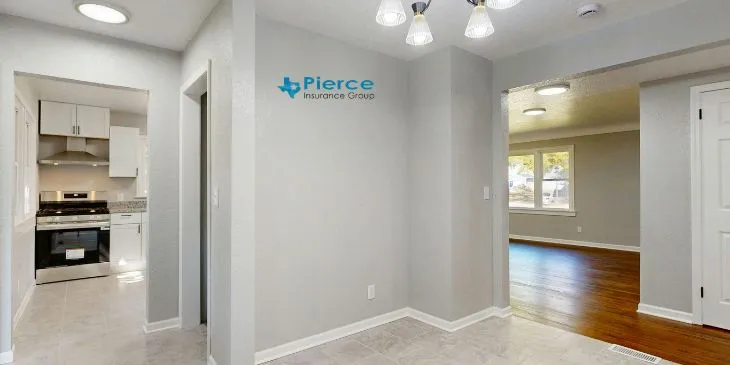
Home renovations can improve comfort, increase property value, and make your home better suited to your lifestyle. Whether you’re remodeling a kitchen, adding a home office, upgrading a roof, or building a new outdoor space, these changes can also impact your homeowners insurance in important ways.
Many homeowners focus on budgets and design plans during renovations, but overlook how updates may affect their insurance coverage. At Pierce Insurance Group, an independent insurance agency serving McKinney, TX, we help homeowners understand when policy updates are necessary and how to stay properly protected throughout the renovation process.
If you’re planning home renovations, here’s what you should know about their impact on your insurance policy.
Why Home Renovations Can Affect Insurance Coverage
Your homeowners insurance policy is based on factors like your home’s size, features, replacement cost, and overall risk level. Renovations can change all of these.
Some updates may increase your home’s value and rebuilding cost, while others may reduce certain risks. Failing to notify your insurance company about major renovations could leave you underinsured if damage occurs later.
The Texas Department of Insurance (TDI) encourages homeowners to review their insurance coverage regularly, especially after property improvements or major changes.
Renovations That May Increase Your Insurance Needs
Adding Square Footage
Room additions, finished basements, or expanded living areas often increase the cost to rebuild your home after a loss. Your dwelling coverage may need to be adjusted accordingly.
Kitchen and Bathroom Remodels
Upgraded kitchens and bathrooms typically add significant value to a home. High-end materials, custom cabinetry, and luxury fixtures can increase replacement costs.
Installing a Swimming Pool
Pools can increase liability risks because they may lead to accidents or injuries. You may need higher liability limits or additional umbrella coverage.
Building Outdoor Structures
Detached garages, patios, sheds, and outdoor kitchens may require updates to your policy’s “other structures” coverage.
Renovations That Could Lower Insurance Risks
Not all renovations increase premiums. Some upgrades may actually help reduce risks and potentially qualify for discounts.
Examples include:
- Roof replacements
- Updated electrical systems
- Plumbing upgrades
- Security systems or smart home devices
These improvements can make your home safer and less likely to experience costly claims.
The Federal Emergency Management Agency (FEMA) also recommends proactive home maintenance and upgrades to help reduce damage risks and improve resilience.
Don’t Overlook Contractor Insurance
Before beginning major home renovations, it’s important to verify that contractors carry proper licensing and insurance.
Ask contractors for proof of:
- General liability insurance
- Workers’ compensation coverage
Without proper contractor coverage, homeowners could potentially face liability issues if injuries or property damage occur during construction.
The U.S. Small Business Administration (SBA) advises consumers to verify contractor credentials and insurance before hiring.
Should You Update Your Policy Before or After Renovations?
In many cases, both.
Before Renovations
You may need temporary coverage adjustments if:
- Expensive materials are stored on-site
- The home will be vacant during construction
- Structural work increases risk temporarily
After Renovations
Once the project is complete, your policy should be reviewed to ensure your updated home value and features are properly insured.
Waiting too long to update your policy can create gaps in coverage if a loss occurs after renovations are finished.
How Renovations Affect Claims
Imagine completing a major kitchen remodel, only to experience fire or water damage months later. If your policy still reflects the home’s old value, your insurance payout may not fully cover replacement costs.
Updating your policy after renovations helps ensure:
- Accurate rebuilding coverage
- Proper protection for upgraded features
- Better claim outcomes after a loss
The National Association of Insurance Commissioners (NAIC) recommends reviewing homeowners insurance whenever major property changes occur.
Why Working with an Independent Agency Matters?
Insurance needs can change quickly during remodeling projects. Working with an independent agency like Pierce Insurance Group gives you access to personalized guidance and multiple coverage options.
We help homeowners:
- Review coverage before renovations begin
- Identify liability concerns
- Adjust dwelling limits after upgrades
- Explore additional protection when needed
Our goal is to help you improve your home without creating insurance gaps.
Protect Your Investment Before Renovations Begin
Home improvements are exciting, but they can also affect your financial protection. Taking the time to review your insurance before and after home renovations can help ensure your property, investment, and peace of mind stay protected.
If you’re planning updates to your home or have recently completed a renovation project, contact us today to review your coverage.
Call us at (469) 252-8001 to speak with a knowledgeable local agent at Pierce Insurance Group who can help you make sure your home insurance keeps up with your improvements.
Also read: How Climate Change Is Impacting Texas Home Insurance
Request a Quote
Frequently Asked Questions (FAQs)
-
Do minor home renovations need to be reported to insurance companies?
Small cosmetic changes may not require updates, but larger renovations that affect value or structure usually should be reported.
-
Will my homeowners insurance cover damage caused by contractors?
Coverage depends on the situation and whether the contractor has proper insurance.
-
Can renovations increase my insurance premium?
Yes, especially if they raise the home’s replacement cost or add liability risks.
-
Should I keep records of my renovations?
Yes. Photos, receipts, and contractor documentation can help support future claims.